
Rajasthan Road Trip from Jaipur — The Complete Circuit
Jaipur → Pushkar → Jodhpur → Jaisalmer → Bikaner → Jaipur. 10-14 days of pure Rajasthan.
Powered by ITINE
Get this guide as a tappable itinerary
Day-by-day plan, audio tours, and one-tap Google Maps — completely free.
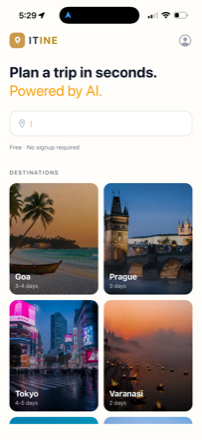
Destinations
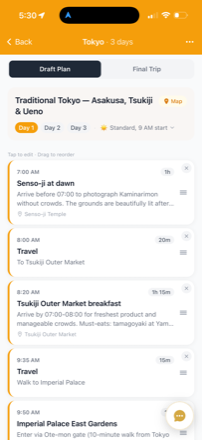
Your Itinerary
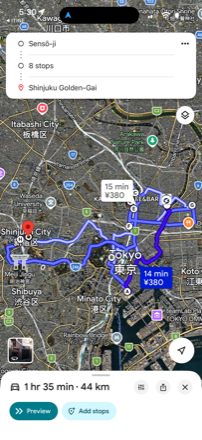
Google Maps
The Route — Full Rajasthan Circuit
This is the definitive Rajasthan road trip — a loop that starts and ends in Jaipur, hitting every major destination in western Rajasthan. You'll go from the Pink City to a holy lake town, to the Blue City, to a golden fort rising from the desert, to the most underrated city in Rajasthan, and back home. Total driving distance: approximately 1,290 km.
Best time: October to February. The Thar Desert is brutally hot from March onwards. November is ideal — cool days, the Pushkar Camel Fair, and crystal-clear desert skies.
The Complete Circuit
Jaipur
Pink City
Pushkar
Holy Lake
Jodhpur
Blue City
Jaisalmer
Golden City
Bikaner
Camel City
Jaipur
Home
Total: ~1,290 km · 10-14 days · Best: October-February
Day by Day Breakdown
Here's the full circuit broken down city by city. Adjust the pace to your style — the days suggested below are comfortable, not rushed. If you have fewer days, see the FAQ for a compressed version.
Jaipur
Day 1-2
Your base camp and launching point. Spend 2 days here first — see the forts, eat the food, acclimatize to Rajasthan. Don't rush out. The road trip works better when you're already in Rajasthan mode.
Pushkar
Day 3-4
Pushkar hits different. It's a holy lake town surrounded by desert hills, with more temples than restaurants and more cows than cars. The vibe is deeply spiritual without being preachy. Walk the 52 ghats at sunrise. Climb Savitri Temple hill at sunset (30-minute hike, incredible views). If you're here in November, the Pushkar Camel Fair is the most surreal event in India.
Jodhpur
Day 5-7
Mehrangarh Fort makes Amber Fort look small. That's not an exaggeration — it's one of the largest forts in India, rising 400 feet above the blue-painted old city. The Blue City walk through the lanes below the fort is the best urban walking experience in Rajasthan. Two days minimum — three if you want to explore the stepwells and quieter neighbourhoods.
Jaisalmer
Day 8-10
Jaisalmer is the payoff. A golden sandstone fort city rising from the Thar Desert like a mirage. Unlike every other Indian fort, Jaisalmer Fort is a living city — 3,000 people live inside the walls, with shops, restaurants, and guesthouses in buildings that are 800 years old. Stay inside the fort for at least one night. The desert camp experience at Sam Dunes (42 km) is touristy but something else entirely — camel ride to your camp, dinner under infinite stars, sunrise over sand dunes.
Bikaner
Day 11-12
Bikaner is the underrated stop on the circuit. Junagarh Fort is architecturally more refined than Mehrangarh — it was never conquered, so all the art and decoration survived intact. The Old City has extraordinary carved havelis that get a fraction of the tourists that Jaisalmer's do. Karni Mata Temple (the 'Rat Temple' in Deshnoke, 30 km) is one of the most unique religious experiences in India — 20,000 rats considered sacred. Not for everyone, unforgettable for those who go.
Back to Jaipur
Day 13-14
The drive back to Jaipur on NH11 passes through the Shekhawati region — the 'open-air art gallery of Rajasthan.' The towns of Mandawa, Fatehpur, and Nawalgarh have extraordinary painted havelis from the 18th-19th century. Worth a 2-3 hour detour if you have time. You'll arrive back in Jaipur feeling like Jaipur is a familiar old friend. It is.
Car Hire — The Practical Details
Hire a car with driver. This is not a luxury in Rajasthan — it's the sensible choice. Your driver handles the roads, knows the routes, speaks the local languages, and deals with every checkpoint, flat tyre, and camel crossing so you can enjoy the scenery.
Cost
₹12-15 per km for an AC sedan (Swift Dzire, Toyota Etios). ₹15-18 per km for an SUV (Toyota Innova — recommended for comfort on longer stretches). The full circuit (~1,290 km) costs approximately ₹15,000-23,000 for the driving alone.
Driver Costs
The driver's food and accommodation are usually included in the per-km rate, but confirm this upfront. Tip ₹300-500 per day at the end of the trip — good drivers earn it. They often sleep in the car or in driver-specific lodging at hotels.
Where to Book
Through your Jaipur hotel (they have trusted drivers), Savaari (reliable online platform), or local Jaipur agencies. Book at least a week ahead during peak season (November-February). Agree on the full route, km rate, and any extra charges in writing before departure.
Self-Drive Option
Possible on national highways (NH48, NH15, NH11 are all well-maintained). Not recommended for first-time India visitors. Zoomcar and Revv operate in Jaipur for self-drive rentals. You'll need an international driving permit. Be prepared for trucks, camels, and creative overtaking.
Road Conditions
Rajasthan's road infrastructure has improved dramatically in the last decade. The national highways connecting major cities are in solid condition — smooth tarmac, divided carriageways, and regular fuel stops. State highways and rural roads are a different story.
Jaipur → Pushkar (via Ajmer)
ExcellentNH48 then NH89
Divided highway most of the way. The Ajmer bypass saves 30 minutes. The last stretch into Pushkar is narrow and scenic — winding through the Aravalli hills.
Pushkar → Jodhpur
Good to AverageNH25 / NH62
The first half is good highway. The stretch through Pali district has some rough patches. Total: 5 hours with a chai stop. The landscape shifts from green Aravallis to brown desert gradually — watch for it.
Jodhpur → Jaisalmer
GoodNH15
Surprisingly good highway through the Thar Desert. Flat, straight, and well-maintained. Military presence increases as you approach the Pakistan border. Fuel up in Jodhpur — petrol stations thin out in the desert.
Jaisalmer → Bikaner
Good to AverageNH15 / NH11
The longest stretch on the circuit. Mostly flat desert highway. Some sections are single carriageway with heavy truck traffic. Leave early to avoid afternoon heat. Stop at Pokhran (nuclear test site, interesting museum) for a break.
Bikaner → Jaipur
GoodNH11
Well-maintained highway through the Shekhawati region. Optional detour through Fatehpur or Mandawa for painted havelis adds 1-2 hours but is worth it. The road back into Jaipur gets congested — plan to arrive before evening rush.
Where to Stay at Each Stop
One recommendation per city — the place we'd book if we could only pick one. These balance heritage, comfort, location, and value. All have been personally vetted.
Jaipur
Dera Rawatsar
₹2,500-5,500/night
Heritage haveli in Bani Park. Family-run, hand-painted frescoes, rooftop dining. The sweet spot between heritage and budget.
Pushkar
Inn Seventh Heaven
₹2,000-4,000/night
Rooftop restaurant with direct lake views. The sunset from here with Pushkar Lake below is unforgettable. Central location, 2 minutes from the ghats.
Jodhpur
RAAS Jodhpur
₹6,000-15,000/night
Boutique hotel built into the red sandstone at the base of Mehrangarh Fort. Modern comfort in a heritage setting. The pool with fort views above is iconic. Splurge-worthy.
Jaisalmer
Hotel Nachana Haveli
₹2,500-5,000/night
Inside the fort walls. A converted medieval haveli with carved sandstone rooms. You fall asleep inside an 800-year-old fort. That's the whole pitch, and it's enough.
Bikaner
Bhanwar Niwas
₹3,000-7,000/night
Art Deco heritage haveli — unusual for Rajasthan. A Rampuria family mansion with stained glass, carved columns, and a courtyard restaurant. Unique and excellent.
Desert Camp
Royal Desert Camp (Sam Dunes)
₹3,000-8,000/night
Swiss tents at the Sam Sand Dunes. Camel ride at sunset, dinner by bonfire, sleep under desert stars. Touristy? Yes. Magical? Also yes.
Road Trip Tips
Start Early, Stop Early
Leave by 7-8 AM for driving days. Rajasthan roads are safest during daylight — trucks without tail lights, camels, and stray animals are real hazards after dark. Plan to reach your next city by 2-3 PM.
Carry Cash for Small Towns
UPI works in cities but not always in small towns and dhabas (roadside restaurants). Carry ₹5,000-10,000 in cash. ATMs exist in every town but don't always work. Fill up on cash in major cities.
Dhaba Stops Are the Best Part
Highway dhabas (roadside restaurants) serve some of the best food in Rajasthan. Dal baati churma at a Marwar dhaba. Chai at a trucker's stop. These unplanned meals become the stories you tell later. Let your driver choose — they know the good ones.
Pack for Temperature Swings
Desert days are warm (25-30°C in winter), desert nights are cold (5-10°C). Bring layers. A light down jacket or fleece for evenings in Jaisalmer and Bikaner is essential November-February. Mornings at Pushkar Lake are surprisingly chilly.
Respect the Desert
The Thar is a real desert. Carry extra water (3-4 litres per person) for driving days, especially Jodhpur-Jaisalmer and Jaisalmer-Bikaner stretches. Sunscreen and sunglasses are mandatory. The desert sun is no joke, even in winter.
Build in Buffer Days
Rajasthan has a way of slowing you down — in the best way. That haveli you found in Jodhpur, that sunset in Jaisalmer, that conversation with a camel herder in the desert. Build 1-2 buffer days into your itinerary for the unexpected.
Keep Reading
Written by

Priya Sharma
Jaipur-born travel writer and licensed guide. Has spent 10+ years walking these forts, eating at these stalls, and arguing with auto drivers about fares — so you don't have to.
Real Talk from a Pink City Local
Should I self-drive or hire a driver in Rajasthan?
Hire a driver. Seriously. Indian roads require a specific driving culture that takes years to learn — trucks on the wrong side, camels crossing highways, villages with no speed bumps but plenty of reasons to stop. A local driver handles all of this while you enjoy the scenery. It costs ₹12-15 per km including the driver's accommodation and food. Over 10-14 days, that's ₹25,000-40,000 total for the driving — less than renting a car in Europe. Self-drive is possible on national highways but not recommended for first-time India visitors.
Is the road trip doable in less than 10 days?
You can compress it to 7-8 days by cutting Bikaner and spending only one night each in Pushkar and Jaisalmer. But you'll regret rushing Jaisalmer — the desert experience needs at least 2 nights. The full circuit works best at 12-14 days. If you only have a week, do the half-circuit: Jaipur → Pushkar → Jodhpur → Jaisalmer → fly back from Jaisalmer (or Jodhpur).
What's the best time for a Rajasthan road trip?
October to February, full stop. The desert heat from March onwards makes road tripping miserable — you're crossing stretches of Thar Desert where midday temperatures hit 45°C+. November is the sweet spot: cool, dry, clear skies, and the Pushkar Camel Fair happens in late November. January is beautiful but cold at night (5-8°C in the desert). Avoid monsoon (July-September) — some roads flood and the desert sand turns to mud.
What kind of car should I hire for a Rajasthan road trip?
A Toyota Innova (₹14-16/km) is the sweet spot — comfortable for 4 passengers with luggage, handles highway and desert roads well, and has good AC for the hot stretches. For couples or solo travellers, a Maruti Swift Dzire (₹10-12/km) saves money. Avoid sedans for the Jaisalmer desert stretch — the sand-covered roads need ground clearance. SUVs like the Toyota Fortuner (₹18-22/km) are overkill unless you're doing serious off-road desert camping.
How much do tolls and fuel cost on the Rajasthan circuit?
For the full Jaipur-Jodhpur-Jaisalmer-Udaipur-Jaipur loop (roughly 1,800-2,000 km), expect ₹3,000-4,000 in toll charges and ₹12,000-15,000 in fuel (diesel Innova). Most toll plazas accept FASTag or UPI — carry cash as backup for the smaller ones. Your driver's daily allowance (food + accommodation, typically ₹500-800/day) is usually included in the per-km rate but confirm this upfront.
Are the roads in Rajasthan safe for road trips?
National highways (NH48, NH62, NH15) are well-maintained four-lane roads and perfectly safe during daylight. State highways vary — the Jodhpur-Jaisalmer stretch has some single-lane sections with heavy truck traffic. Never drive after dark in Rajasthan — unlit roads, roaming cattle, and camels crossing highways are genuine hazards. Your hired driver will know this and will want to reach each destination before sunset. Plan 6-7 hours of driving maximum per day.
What should I pack for a Rajasthan road trip?
Sunscreen (SPF 50), sunglasses, a wide-brimmed hat, and a refillable water bottle are non-negotiable. Carry a light jacket even in winter — open-top jeep safaris in Jaisalmer get cold at dawn. A power bank is essential since charging in the car drains slowly. Download offline Google Maps for all of Rajasthan before you leave — data signal drops to zero in the Thar Desert stretches. Carry basic medicines (Imodium, ORS, paracetamol) as pharmacies are scarce between towns.
Get the Full Jaipur Guide
Routes, restaurant picks, and local secrets — straight to your inbox.