
Pushkar Day Trip from Jaipur
The only Brahma temple in India. Also: best lassi of your life.
Powered by ITINE
Get this guide as a tappable itinerary
Day-by-day plan, audio tours, and one-tap Google Maps — completely free.
Destinations
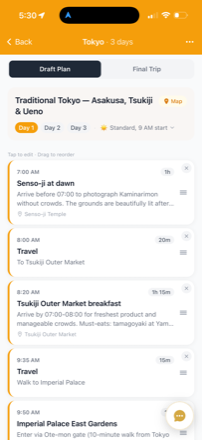
Your Itinerary
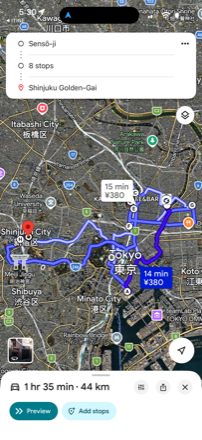
Google Maps
Getting to Pushkar from Jaipur
Pushkar is about 145 km southwest of Jaipur — roughly 2.5 hours by road depending on traffic and how aggressively your driver interprets lane markings. The NH48 is decent, and once you pass Ajmer the road narrows but the scenery gets better.
Private Car
Cost: ₹2,500–3,000 return (including driver wait time). This is the most comfortable option and lets you stop at Ajmer on the way. Book through your hotel or use a trusted app. Confirm the return fare before you leave — negotiation after is always worse.
Bus from Sindhi Camp
Cost: ₹250–350 one way (AC Volvo). RSRTC runs frequent buses from Sindhi Camp bus stand. Journey takes about 3 hours. Buses go to Ajmer first — from Ajmer, take a shared jeep or local bus to Pushkar (30 min, ₹20). The budget option, but not ideal for a day trip.
The Ajmer Detour
The road to Pushkar passes through Ajmer — they're only 14 km apart. Smart travellers hit Ajmer's Dargah Sharif in the morning and Pushkar in the afternoon. The two towns together make a perfect day trip. If you're hiring a car, ask the driver to stop at both — no extra charge since it's on the way.
What to See in Pushkar
Brahma Temple — The Only One in India
There are millions of temples in India. Exactly one is dedicated to Brahma, the creator god. It's here in Pushkar, and it's been here for about 2,000 years. The marble and stone structure isn't the grandest temple you'll see in Rajasthan — it's the spiritual significance that draws people. The red spire (shikhara) against the blue Pushkar sky is iconic.
Timing: Opens at 6:30 AM. Visit early to avoid crowds. Shoes off, photography restricted inside. Free entry.
Pushkar Lake & the 52 Ghats
According to legend, Brahma dropped a lotus flower and the lake appeared where the petals landed. Today, 52 ghats (stone steps) line the lake, and Hindus consider a dip here as sacred as bathing in the Ganges. Walk the full circumference — it takes about 45 minutes — and you'll see puja ceremonies, sadhus in meditation, and some of the most photogenic scenes in Rajasthan.
Heads up: Self-appointed "priests" at the ghats will offer to do a puja for you and then demand ₹500–2,000. Politely decline unless you actually want a blessing. If you do, ₹100–200 is a fair donation. Don't feel pressured.
Savitri Temple (Hilltop Trek)
For the best views of Pushkar, hike up to Savitri Temple on the hill behind town. It's a 30–40 minute climb up stone steps — there's also a ropeway if your knees object. The panoramic view of the lake, the town, and the Aravalli hills at sunset is worth every bead of sweat. There's a new ropeway (₹150 return) that makes it accessible to everyone.
Old Ranganath Temple & Market Streets
Pushkar's market streets are a delightful tangle of shops selling silver jewellery, embroidered textiles, leather goods, and more incense than you knew existed. The old Ranganath Temple (dedicated to Vishnu) is worth a quick visit — it's less crowded than the Brahma Temple and has beautiful South Indian–style architecture that feels wonderfully out of place in Rajasthan.
Where to Eat in Pushkar
Pushkar is a holy city — which means no meat and no alcohol within the town limits. But don't let that fool you into thinking the food is boring. Pushkar's cafe scene is surprisingly excellent, shaped by decades of backpacker culture and Israeli travellers.
Rose Garden Restaurant
Rooftop views of the lake, solid Indian thalis, and good coffee. The paneer tikka is reliable and the dal makhani is rich without being heavy. Popular with both travellers and locals — which is always a good sign. Budget: ₹200–400 per person.
Lakeside Cafes
The string of cafes along the eastern ghats serves everything from Israeli shakshuka to banana pancakes to proper Rajasthani dal-baati-churma. Sit on a cushion, watch the lake, eat slowly. No one rushes you in Pushkar.
The Famous Pushkar Lassi
Multiple stalls claim to serve the "original" Pushkar makhania lassi. The one near the Brahma Temple entrance is thick, creamy, topped with malai, and served in a clay cup. ₹40–60. It's not just a lassi — it's the single best lassi you'll have in India. That's not hyperbole.
Street Food Circuit
Walk the main bazaar for fresh kachoris (₹15), malpua (sweet pancakes, ₹20), and poha (flattened rice with spices). The street food in Pushkar is cleaner and more hygienic than most Rajasthani towns — the holy city standards help.
Best Time to Visit Pushkar
October to March
Pleasant weather, clear skies, perfect for walking around the lake and climbing to Savitri Temple. November is peak — the Camel Fair brings the town alive but also brings massive crowds and inflated prices. December and January mornings are cold (5–8°C), but the afternoons are beautiful.
April to June
Pushkar sits in a valley, and from April the heat gets trapped. 40–45°C with no shade around the lake. The ghats radiate heat. The walk to Savitri Temple becomes dangerous — not an exaggeration. Even locals avoid the lakeside at midday. Unless you have a specific reason, skip the summer months entirely.
July to September (Monsoon)
The lake fills up, the surrounding hills turn green, and the town is beautifully empty. Pushkar in the monsoon is atmospheric and moody — but the rain is unpredictable and can disrupt your day trip plans. Roads from Jaipur can flood. If you're a photographer, this is actually the most dramatic time to visit.
Pushkar Camel Fair — November
The Kartik Mela (Pushkar Camel Fair) is held during the full moon of the Hindu month of Kartik — usually late October or November. Thousands of camels, horses, and cattle are traded over five days. There are moustache competitions, camel beauty contests, music, and a general atmosphere of controlled chaos. Plan around this if you can — but book accommodation 3–4 months ahead. Prices triple and every room in town fills up.
Farmaan from the Locals
Leave Jaipur by 7 AM. You'll reach Pushkar by 9:30 AM, miss the worst of the heat, and have the Brahma Temple mostly to yourself. By noon, tour buses start arriving and the vibe shifts completely.
Carry cash. Pushkar is still largely a cash economy. ATMs exist but are unreliable. Bring ₹2,000–3,000 for a comfortable day including food, shopping, and tips. UPI works at some cafes but don't count on it.
Dress modestly at the ghats. Pushkar is a holy city. Cover your shoulders and knees when visiting the ghats and temples. Shoes come off before approaching the lake steps. This isn't Goa — respect the religious atmosphere.
Consider staying overnight. The best Pushkar experiences — sunrise puja at the ghats, evening aarti with hundreds of oil lamps, the quiet after the day-trippers leave — require an overnight stay. Budget guesthouses start at ₹800/night. The Inn Seventh Heaven and Hotel Pushkar Palace are excellent mid-range options.
Keep Reading
Written by

Priya Sharma
Jaipur-born travel writer and licensed guide. Has spent 10+ years walking these forts, eating at these stalls, and arguing with auto drivers about fares — so you don't have to.
Real Talk from a Pink City Local
Is Pushkar doable as a day trip from Jaipur?
Yes, but it's tight. You'll spend 5 hours driving round-trip and have maybe 4–5 hours in Pushkar. That's enough for the Brahma Temple, a walk around the lake, and lunch — but you'll feel rushed. If you can swing it, stay one night. Pushkar at dawn, with mist rising off the lake and temple bells echoing across the ghats, is something a day-tripper never sees.
Is Pushkar safe for solo female travellers?
Pushkar is one of the safest small towns in Rajasthan. It has a strong backpacker culture, plenty of cafes with other travellers, and a generally relaxed vibe. The usual India precautions apply — dress modestly near the temples and ghats, avoid isolated areas at night — but overall it's very welcoming. Many solo female travellers end up staying longer than planned.
What's the deal with the Pushkar Camel Fair?
The Pushkar Camel Fair (Kartik Mela) happens every November during the full moon of the Hindu month of Kartik. It's one of the world's largest camel fairs — thousands of camels, horses, and cattle traded over five days. There are also competitions, music, and cultural events. Hotels book out months in advance and prices triple. If you want to go, book at least 3–4 months ahead. It's chaotic, dusty, and absolutely unforgettable.
Can I combine Pushkar and Ajmer in one day trip from Jaipur?
Yes — this is actually the ideal plan. Ajmer is on the way to Pushkar (just 14 km before it). Leave Jaipur by 7 AM, visit Dargah Sharif and Ana Sagar Lake in Ajmer by 9:30 AM, then drive 30 minutes to Pushkar for the Brahma Temple, lake walk, and lunch. Head back to Jaipur by 4-5 PM. With a private car (₹2,500-3,000 for the day), it's very comfortable.
What should I eat in Pushkar?
Pushkar is a holy town so it's strictly vegetarian — no meat, no eggs, no alcohol within city limits. That said, the food is excellent. Try the famous malpua (sweet fried pancake, ₹40-60) near Brahma Temple, aloo-pyaz kachori at any street stall (₹20-30), and the Israeli and Italian cafes along the lake cater to the backpacker crowd with surprisingly good hummus and pasta (₹200-350 per dish).
How do I get from Jaipur to Pushkar by bus?
RSRTC buses leave from Sindhi Camp bus stand every 30-45 minutes. The ordinary bus costs ₹180 and takes 3-3.5 hours. AC Volvo buses run twice daily and cost ₹350. You can also take any Ajmer-bound bus (more frequent) and then a local bus or shared auto from Ajmer to Pushkar (₹30, 30 minutes). For comfort, hire a private car through your hotel — ₹2,500-3,000 round trip.
Is the road from Jaipur to Pushkar safe and scenic?
The NH58 to Ajmer is a well-maintained four-lane highway — safe, smooth, and boring. The interesting part is the Ajmer-to-Pushkar stretch through the Nag Pahar (Snake Mountain) pass with hairpin turns and views of the Aravalli range. The pass road is narrow but well-paved. Don't drive it after dark — no streetlights and occasional wildlife crossings. During the Camel Fair, the Pushkar approach road gets severely congested.
Get the Full Jaipur Guide
Routes, restaurant picks, and local secrets — straight to your inbox.