
Jaipur Travel Tips — What Nobody Tells You
Real advice. Not the stuff on every other travel site.
Powered by ITINE
Get this guide as a tappable itinerary
Day-by-day plan, audio tours, and one-tap Google Maps — completely free.
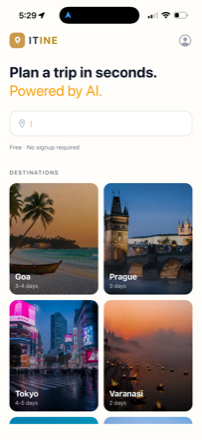
Destinations
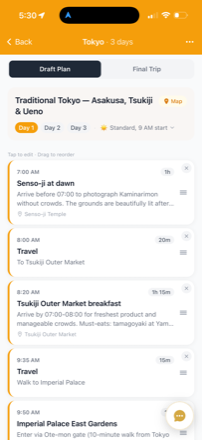
Your Itinerary
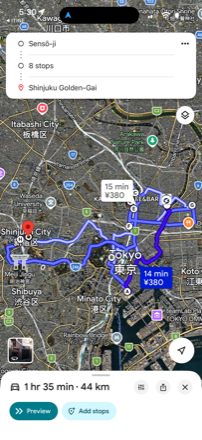
Google Maps
Getting to Jaipur
By air: Jaipur International Airport (JAI) has direct flights from Delhi (1 hr), Mumbai (1.5 hrs), Bangalore (2.5 hrs), and Hyderabad (2 hrs). The airport is 13 km from the city centre — pre-book an Uber or use the prepaid taxi counter. ₹300–500 to most hotels. See our full Jaipur airport guide for terminal info, lounges, and arrival tips.
By train: Jaipur Junction is on the main Delhi–Mumbai line. The Shatabdi Express from Delhi takes 4.5 hours and is the most comfortable option. Book on IRCTC at least a week ahead for AC chairs.
By road: Delhi to Jaipur is 270 km on the excellent NH48 — 4.5 hours by car, 5.5 hours by Volvo bus. RSRTC and private operators run frequent services. The Volvo buses are better than you'd think.
Getting Around
Hire a car with driver for fort days — ₹2000–3000, worth every rupee. Forts are spread across the city and you will lose an hour per fort to auto negotiations otherwise. Your hotel can arrange this, or use Savaari or local operators.
Uber and Ola work reliably in the city. Pricing is fair and transparent — use these for evening outings and restaurant hops.
Autos: always negotiate before sitting, never after. The meter exists but is rarely used. A rough guide: anywhere in the Old City should be ₹50–100. If they quote ₹300, laugh politely and walk away. Another auto will appear in 30 seconds.
Jaipur Metro covers a limited route but is useful for the Pink Line (Mansarovar to Badi Chaupar) which drops you near the Old City monuments.
Money & Bargaining
Bargaining is expected in bazaars, not in restaurants or fixed-price shops. Start at 50% of asking price in markets. The final price usually lands at 60–70% of the initial ask. Be friendly, be firm, be willing to walk away — that's when the best prices appear.
At Johari Bazaar for gems — if you're not an expert, don't buy gems as investments. Beautiful jewellery pieces, yes. Investment-grade stones, no. Stick to silver jewellery and semi-precious stones where the risk is lower and the craftsmanship is the value.
UPI payments (Google Pay, PhonePe) are accepted almost everywhere, even by street food vendors. Carry some cash (₹2000–3000) for autos and small purchases. ATMs are everywhere. If you're an NRI home on a visit, paying from your NRE or NRO account is usually cheaper than a foreign card's 3–4% markup.
What to Eat
Jaipur is one of India's great food cities. The essentials:
Dal Baati Churma
Mohan Thali, Handi Restaurant
The signature Rajasthani dish — wheat balls baked in clay, drowned in ghee, served with five types of dal.
Laal Maas
Handi Restaurant, 1135 AD
Fiery mutton curry with mathania chillies. Not for the mild-palated. Order it medium if you're unsure.
Pyaaz Kachori
Rawat Mishthan Bhandar
Flaky pastry stuffed with spiced onion. Breakfast of Jaipur. Go before 10 AM — they sell out.
Lassi
LMB, Lassiwala (MI Road)
Thick, creamy, served in clay cups. The Lassiwala on MI Road has been doing this since 1944.
Ghewar
LMB, Rawat Mishthan Bhandar
Honeycomb-shaped Rajasthani sweet. Available year-round but special versions during Teej festival.
Daulat ki Chaat
Old City street vendors
Winter-only. Milk foam flavoured with saffron — melts on your tongue. Available Nov–Feb, mornings only.
Shopping Without Getting Played
Best buys: Blue pottery (Jaipur-specific — look for the Kripal Kumbh mark for authentic pieces), block-printed textiles from Anokhi or Bagru village, mojri shoes from Johari Bazaar, Rajasthani puppets for kids, lac bangles from Tripolia Bazaar, miniature paintings from Chandpole.
Avoid: “Antiques” sold near tourist sites — almost all are reproductions. Gem “investments” unless you know stones well enough to tell the difference. Shops that your taxi/auto driver takes you to — they get commission, you pay inflated prices.
Strategy: Browse the bazaars first without buying. Get a feel for prices. Then go back to the shops where you felt least pressured. The best shopkeepers are the ones who don't chase you out the door.
Fort & Temple Etiquette
Remove shoes at all temples and mosques — there will be a sign but sometimes it's easy to miss. Dress modestly at religious sites — shoulders and knees covered. A scarf or shawl in your bag solves most situations.
At City Palace, remember the royal family still lives there — keep voices low in residential-adjacent areas. No photography in certain museum rooms (marked clearly).
No photos of military installations — this applies near some forts, especially Jaigarh. Drone photography requires permissions you almost certainly won't get. Don't try.
At Galtaji (Monkey Temple) and other active temples: be respectful of worshippers, don't point your feet at shrines, and accept prasad (offerings) with your right hand.
Safety
Jaipur is a safe city for travelers. Standard India travel sense applies — nothing more. Use registered taxis, negotiate auto fares before sitting, and dress modestly at religious sites. Tourist police are more helpful than you'd expect and speak English.
Solo women travelers: Jaipur is safer than most Indian cities. Stick to well-lit areas at night, use Uber/Ola instead of autos after dark, and trust your instincts. Heritage hotels and guesthouses in the Old City are generally safe and well-managed.
Common scams: “My shop is just around the corner” (it's always a gem shop). Touts near Hawa Mahal offering “free” tours that end at commission shops. Inflated auto fares for tourists. None of these are dangerous — just annoying. A polite “no thank you” and walking away works every time.
Your Rajasthan Doesn't End Here
Jaipur is the gateway — here's where to go next
Pushkar
2.5 hrsCamel Fair capital of the world
Jodhpur
5 hrsThe Blue City
Udaipur
6 hrsThe City of Lakes
Written by

Priya Sharma
Jaipur-born travel writer and licensed guide. Has spent 10+ years walking these forts, eating at these stalls, and arguing with auto drivers about fares — so you don't have to.
Real Talk from a Pink City Local
Do I need to book forts/monuments in advance?
No. You buy tickets at the gate. The composite ticket covering multiple monuments is available at any of the included sites. Only exception: if you want a specific guide, book them a day ahead via your hotel.
Is tap water safe to drink?
No. Drink bottled water only. Check the seal is intact. This applies to ice in drinks too — stick to sealed bottles, fresh lime soda, or chai (boiled).
What should I pack?
Comfortable walking shoes (forts involve stairs), sunscreen, a scarf/shawl for temple visits, sunglasses, a refillable water bottle, and a power bank. October–February: a light jacket for early mornings.
How much should I tip?
Guides: ₹200–500 per day. Restaurant waiters: 10% if service charge isn't included. Hotel staff: ₹50–100 for porters. Auto/taxi: rounding up is sufficient. Tipping is appreciated but not mandatory.
What SIM card should I buy and where?
Airtel or Jio — both have excellent coverage in Jaipur and across Rajasthan. Buy a prepaid tourist SIM at the airport Airtel counter (₹799 for 28 days, 1.5GB/day data + unlimited calls) or any Jio store in the city. You'll need your passport and a passport-size photo. Activation takes 2–4 hours. Free WiFi at most mid-range hotels is usually reliable enough for WhatsApp and maps.
How do I avoid scams in Jaipur?
The most common scam is the 'my uncle's shop' routine — a friendly local offers to show you around for free, then steers you to an overpriced gem or textile shop where they earn commission. Politely decline. Other tips: always agree on auto fares before sitting (or insist on the meter), check restaurant bills for added 'service charges' beyond what's menu-listed, and buy gems only from government-certified shops with proper receipts.
What are the fort and monument opening hours?
Most Jaipur monuments open 9:00 AM to 5:30 PM daily (Amber Fort opens at 8:00 AM). Nahargarh Fort stays open till 5:30 PM but the cafe operates till 10 PM. Albert Hall Museum opens 9 AM to 5 PM (and 7 PM to 10 PM for the Night Museum experience at ₹100 extra). All monuments are open 7 days a week including holidays. Last entry is typically 30 minutes before closing.
Is Jaipur wheelchair accessible?
Partially. City Palace and Jantar Mantar have relatively flat terrain and are manageable. Amber Fort is challenging — the main courtyard is accessible but the upper levels involve steep stairs with no ramps. Hawa Mahal has narrow staircases throughout. Nahargarh requires a car ride up and the fort itself has uneven surfaces. Book a private car with driver (₹2,500/day) rather than relying on autos for easier access.
Explore Itineraries

Get the Full Jaipur Guide
Routes, restaurant picks, and local secrets — straight to your inbox.